Tuesday, April 19, 2011

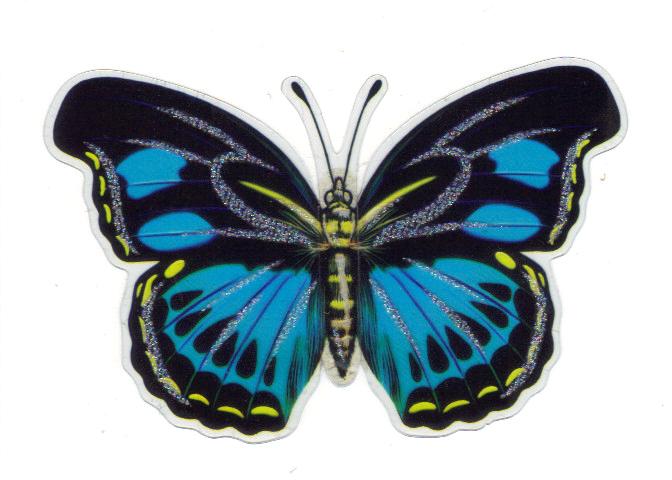
THE BUTTERFLY - KIMIMILA

The butterfly means mainly transformation, but also positiveness and sensitivity.  For the Native American people, the beauty of the butterfly family has been a symbol of transformation, resurrection, giving the ability to rise above humble beginnings. The butterfly follows the natural flow of life in perfect balance and harmony, and brings you the teaching of having the ability to let go of old concepts and expand into the next stage of life. This could mean accepting many changes in your life, be it physical or emotional, like learning how to accept the phases of age, from maiden to mother, and to an elder. Butterfly helps us to transform negative feelings into positive ones, and also brings clarity of mind. It also represents beauty, joy and color as the butterflies are multicolored,  winged,  joyful little beings.


beaded medicine pouch


Sunday, April 3, 2011

MORE PICTURES OF BEADWORK

There is a little history of beadwork posted in the month of February, check it out. Here are more pictures of beadwork.


CHOKERS - THE REAL REASON FOR ITS USE

Chokers are nowadays used as jewelry, as decorative apparel for men and women, but in the old times, traditionally chokers were used as protection for warriors during battles as a way to protect their necks against aggression from knives or spears, and chokers also gave spiritual protection for the warrior's voice. It was also believed that the person could acquire great speaking ability to talk during tribal councils when wearing a properly made bone choker. To be properly made they had to be crafted by a medicine man, or many times the helpers to the medicine man were the ones to make the chokers, but never by the wearer.
The chokers were made from bird's bones, and later from buffalo's bones. They can be made with different numbers of strings, from 1 to 6 or even extended as a half breast plate or a mini breast plate.


Saturday, April 2, 2011

WAR SHIELDS OR MEDICINE SHIELDS

The Native American war shield or medicine shield wasn't used only for the warrior's protection during battles, but it also represented the warrior's personal vision, his spiritual power and medicine which came to the warrior during a vision quest (hanblecheya) on the top of a mountain. During his vision quest, the warrior spends 3 to 4 days fasting, alone on the top of a sacred hill, makes his offerings and prayers, and his mind is totally in tune to the spiritual world, to the Great Spirit. During this time he will have dreams or visions that will give him his personal power. After his vision quest, the warrior goes to the medicine man of the tribe who will then interpret the vision for the warrior. This interpretation given by the holy man will be transferred to the person's shield, and can also be symbolized on the walls of his tipi. Because of this very important process an individual shield was a very important item, not only for physical protection, but also for the spiritual protection it provided. The medicine shields were thus carried with the man and also put in places of honor to the East of the warrior's lodge.

deer hide medicine shield


raw hide medicine shield


<>
painted mini shields


mini shield earrings
The personal medicine shield was made of animal skin or hide stretched over a wooden hoop. Around the edges were attached feathers, fringes and other objects. It had a special symbol painted on it representing the warrior's vision, be it an animal that came to him, or some element of nature such as lightning, the sun, the moon, etc. The color was also important for the shield confection. The person could also add his medicine bag or his special totem to his medicine shield.

Wednesday, March 23, 2011

THE BEAR - MATO

The Bear represents Power, Wisdom, Dreams, Visions, Strenght. For some tribes, Bear is the most spiritual and potent of all the four-legged creatures, being like a man in many ways because it can stand upright on two legs. It was Bear who taught the Native people which plants were good to eat. We say that Bear is the main creature who will lead us to medicine, as it holds great knowledge of healing plants. Bear also taught us to balance activity with rest. In winter the bear finds a secure den or cave where it will hibernate until spring. This is the time to seek for dreams and visions. Bear shows us that it's very important to find quiet times, to seek solitude away from the stressful activity of modern life, which will help us to nourish our inner world, give us time for ideas, insights and inspirations to arise, and also to renew our physical strenght. In many tribes, the medicine person will carry Bear power, and Bear claws are part of ceremonial jewelry or medicine bundles which provide healing and protection.

+
bear claws necklace
the beautiful grizzly bear

powerful black bear


 The Lakota people have a very sacred place where they always practiced their ceremonies, and still do these days; it's Bear Butte mountain in the Black Hills.

Saturday, February 19, 2011

THE EAGLE - WAMBLI


 In the Native American tradition, Eagle (Wambli in Lakota) is the most sacred of birds, because eagle is the one that flies the highest, in order to reach the Great Spirit. Eagle feathers have great power for the people and they are given in honor of acts of courage. They are sacred tools used for blessings, prayers, ceremonies and cleansing the aura. Eagles are now a declining species and therefore they are protected. It's illegal to possess eagle feathers, except for some tribal people. Eagles have great strenght and the ability to soar, besides an acute vision, and because of these features eagle is connected with the Creator, Great Spirit.
Eagle medicine can lift us into the realm of spirits and bring us illumination, insight and clear vision concerning our life and the path that we should follow, the path ahead of us, which is visible from the eagle's heights.

Mandala with soaring eagle painting
     
Eagle claw choker
                                  

Monday, February 14, 2011

BEFORE THE EUROPEANS

Just a little bit of history. Before the Europeans arrived in the Americas, there were more than 500 tribes (a collective group of 22 million people) living in what is now the United States of America. Here are the names of some tribes from across the country:
Northeastern tribes: Iroquois, Abnaki, Passamaquody, Narraganset, Wampanoag, Montauk, Delaware, Powhatan, Winnebago, Chippewa, Ottawa, etc.
Southeastern tribes: Cherokee, Shawnee, Chickasaw, Creek, Catawba, Choctaw, Miccosukee, Seminole, Natchez, etc.
Northwestern Tribes: Colville, Cayuse, Yakima, Spokane, Nez Perce, Shoshone, Bannock, Flathead, Kootenai, etc.
Southwestern tribes: Paiute, Apache, Hopi, Navajo, Hualapai, Havasupai, Yavapai, Ute, Zuni, Pima, Pueblo, etc.
West Coast tribes: Yurok, Pomo, Salina, Cahuilla, Chumash, Esselen, Maidu, Diegueno, etc.
Great Plains tribes: Blackfeet, Gros Ventre, Crow, Cheyenne, Mandan, Hidatsa, Arikara, Assiniboine, Arapaho, Sioux, Ponca, Omaha, Pawnee, Kiowa, Comanche, Osage, Kansa, etc.
According to 2010 Census, the Native American population is now ONLY 1.0%..........